Assembly time: 1.5 hours
Note: The ideal seat thickness is a matter of personal preference. The included seat is quite thick so you can let air out to lower your seating position, but for a firmer feel you may want to wait to construct the seat after your packraft is otherwise complete – that way you can do some test paddling while sitting on some foam blocks or other items to determine exactly how tall you want the baffles to be. After determining the desired thickness, trim the baffles, keeping in mind that 60 mm of each will be welded to the upper and lower surfaces of the seat. See below for further details.
Follow the steps in the video above to complete your seat.
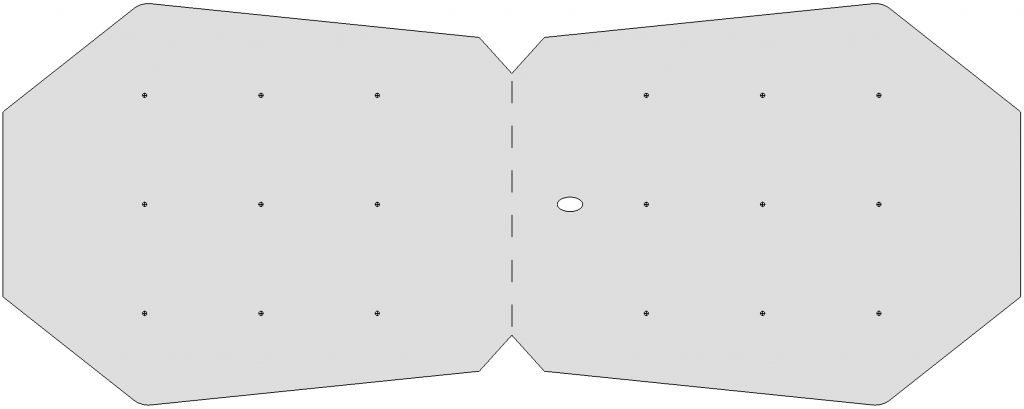
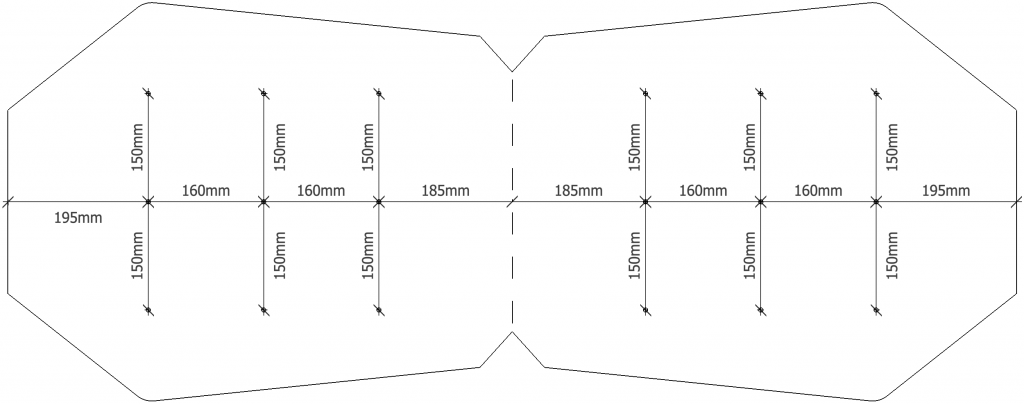
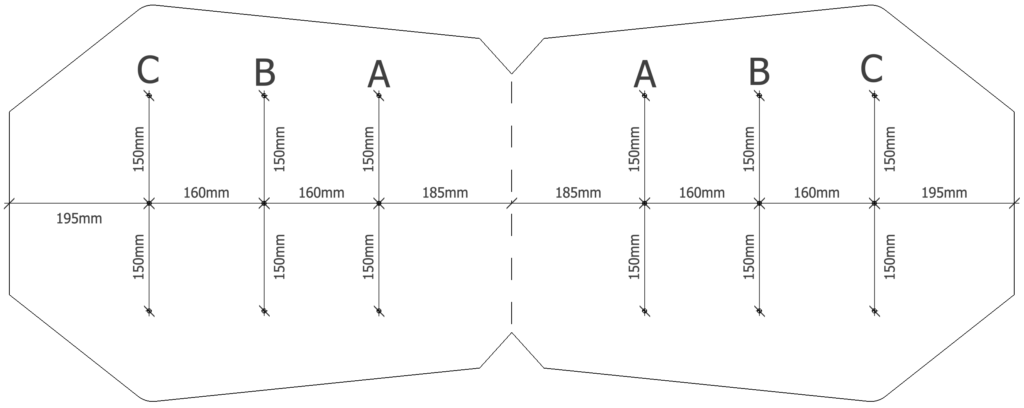
Baffle facing the wrong direction?
If you mistakenly weld one of the baffles facing the wrong direction, it’s not a big deal – here’s how you can fix it:
Cut off half of the baffle, and then cut a rectangle of scrap fabric the same length as the baffle and 2-3 centimeters (~1 inch) wider than the part you cut off (the width of your iron). Then weld the new piece to the part of the baffle that is already attached to the seat fabric. Overlap the pieces with the TPU sides facing each other, and make the overlap wide enough so that the resulting baffle will be the same size as the original. That will effectively flip the TPU from one side of the baffle to the other and will allow you to carry on following the instructions without having to make any other changes.
“Extra” fabric?
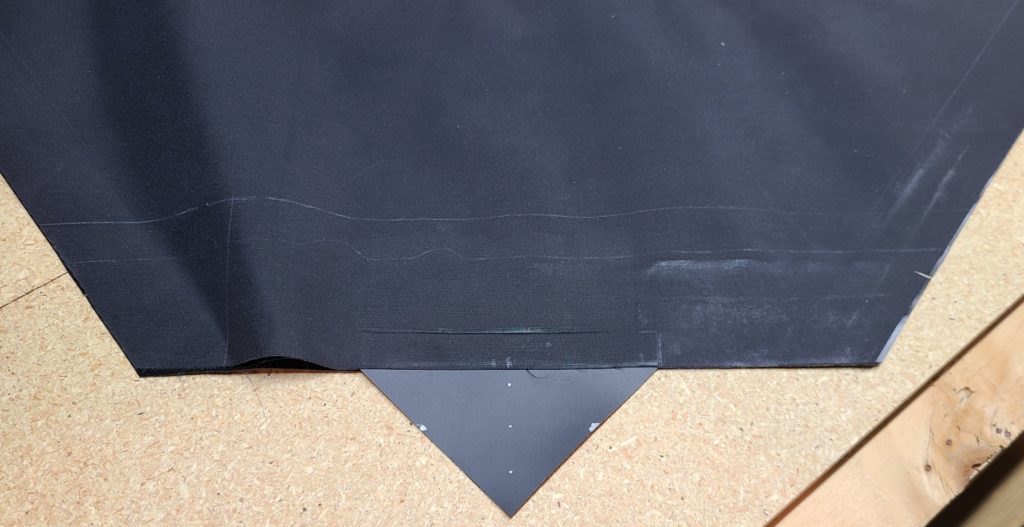
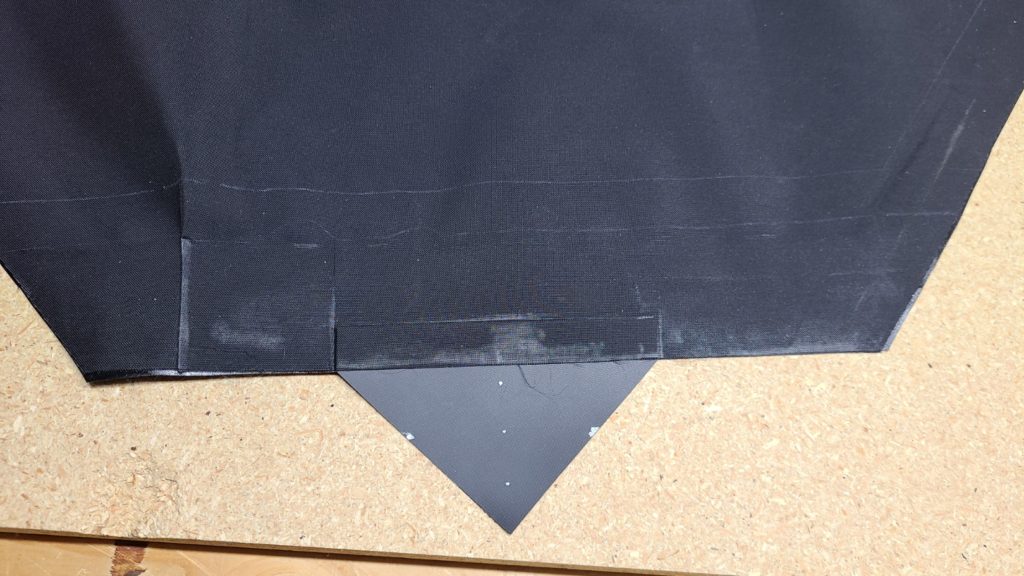
Seat Thickness
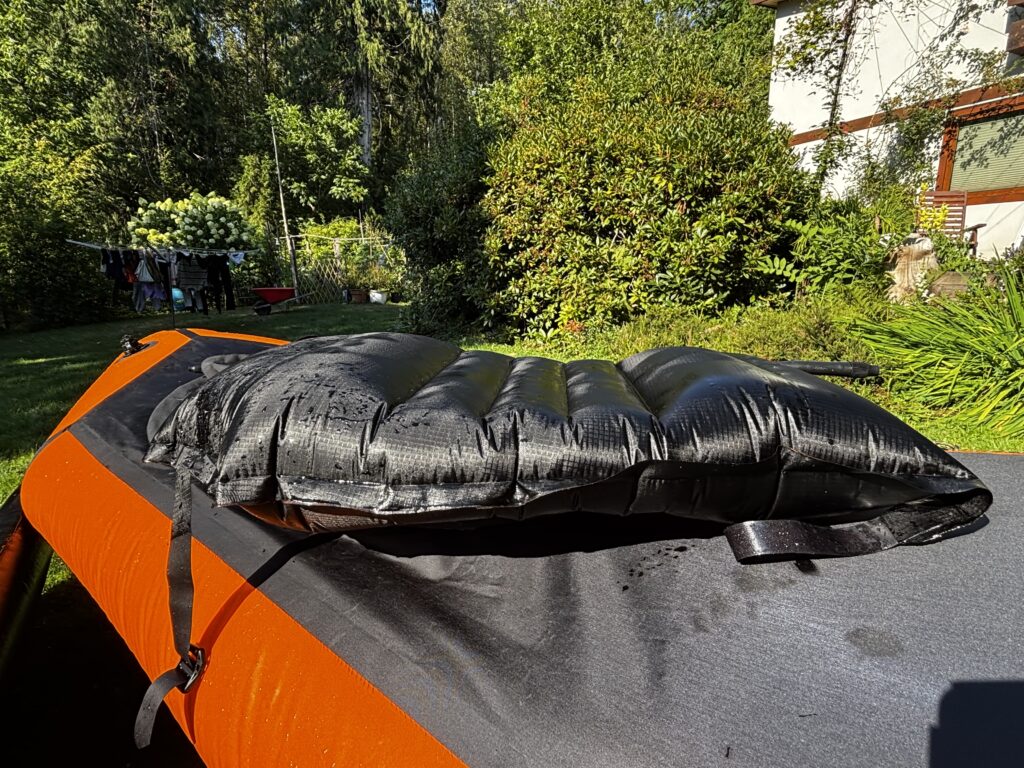
Nicolas Schneiter sent the above picture and wrote, “I ended up using the material intended for the inflation bag to make a second seat. […] I didn’t like the feel of a underinflated seat. So I made a new one where I added a little extra length to the seat and added two extra baffles. I made the three baffles in the middle shorter (5cm). Its created a seat that has more of a cradle shape which I really like. Between that and the back rest I feel very snug in the boat. I just added a little strap on the back with G-clips and attach it to the same attachment points as the backrest’s shock cord. The seat doesn’t move at all in the raft as it fits tight between the tubes. The strap I’m really only using to make sure it cant fall out in case I ever tip.” Cool!
Questions? Leave a comment below!
0 Comments